THE SOCIAL CONTRACT AND VILLAGE COUNCIL IN VISCRI
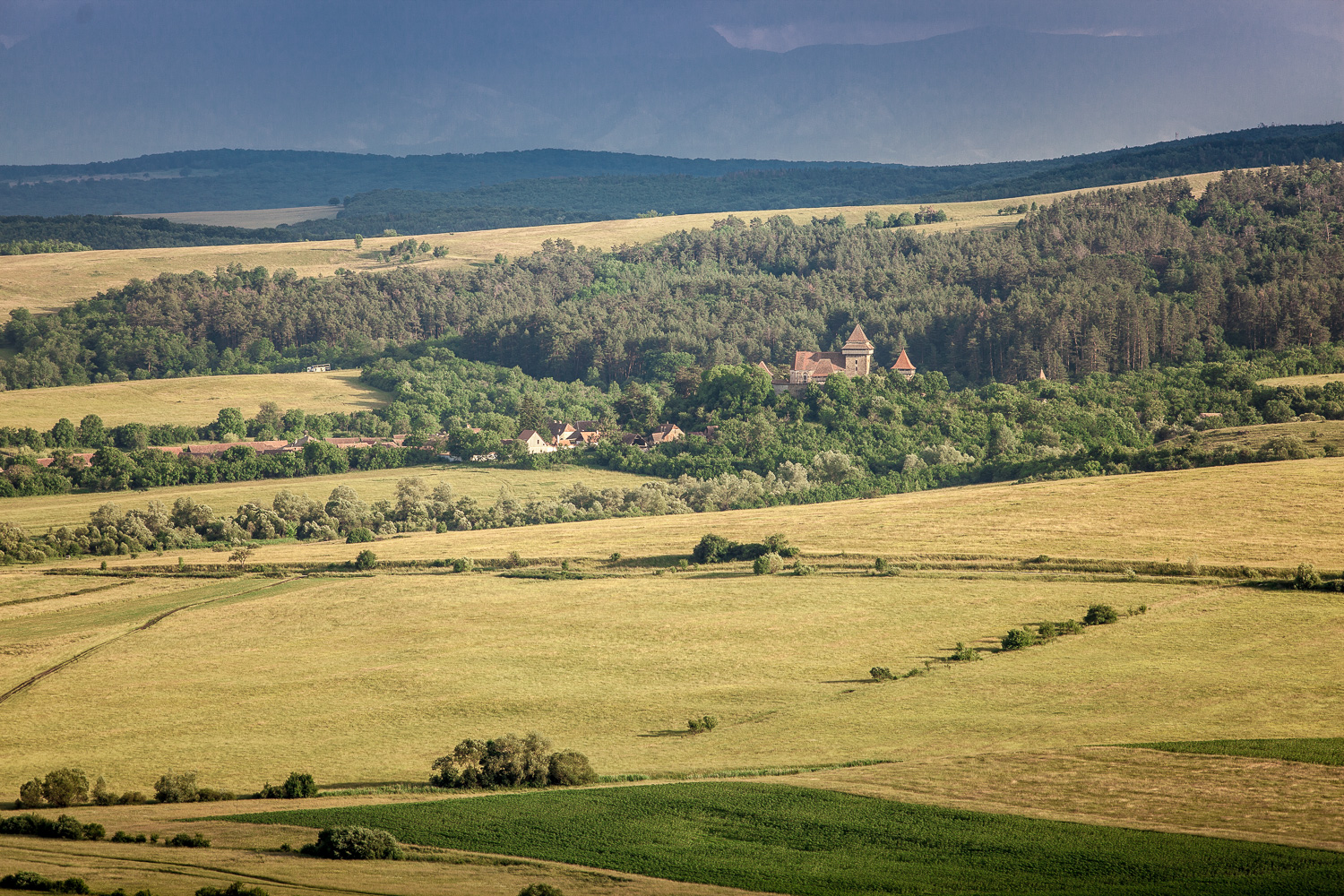
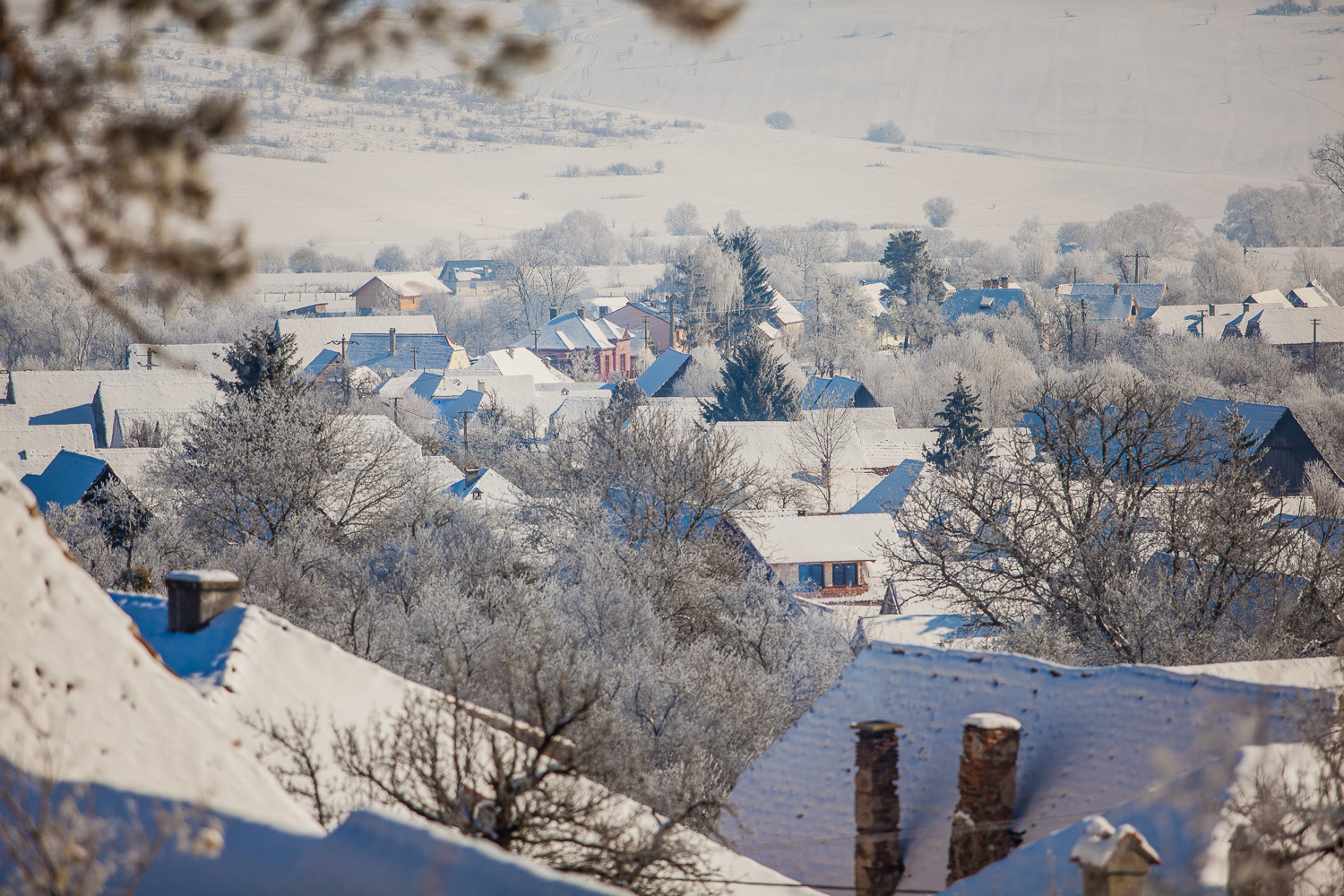
After the political changes in Romania in 1990, when 90% of Viscri’s Saxon population migrated to Germany, a small group of people had the initiative to try and turn the existent Saxon build heritage into an economic asset and to improve the inhabitants' quality of life and living conditions by:
- - The valorization of the village/community authenticity
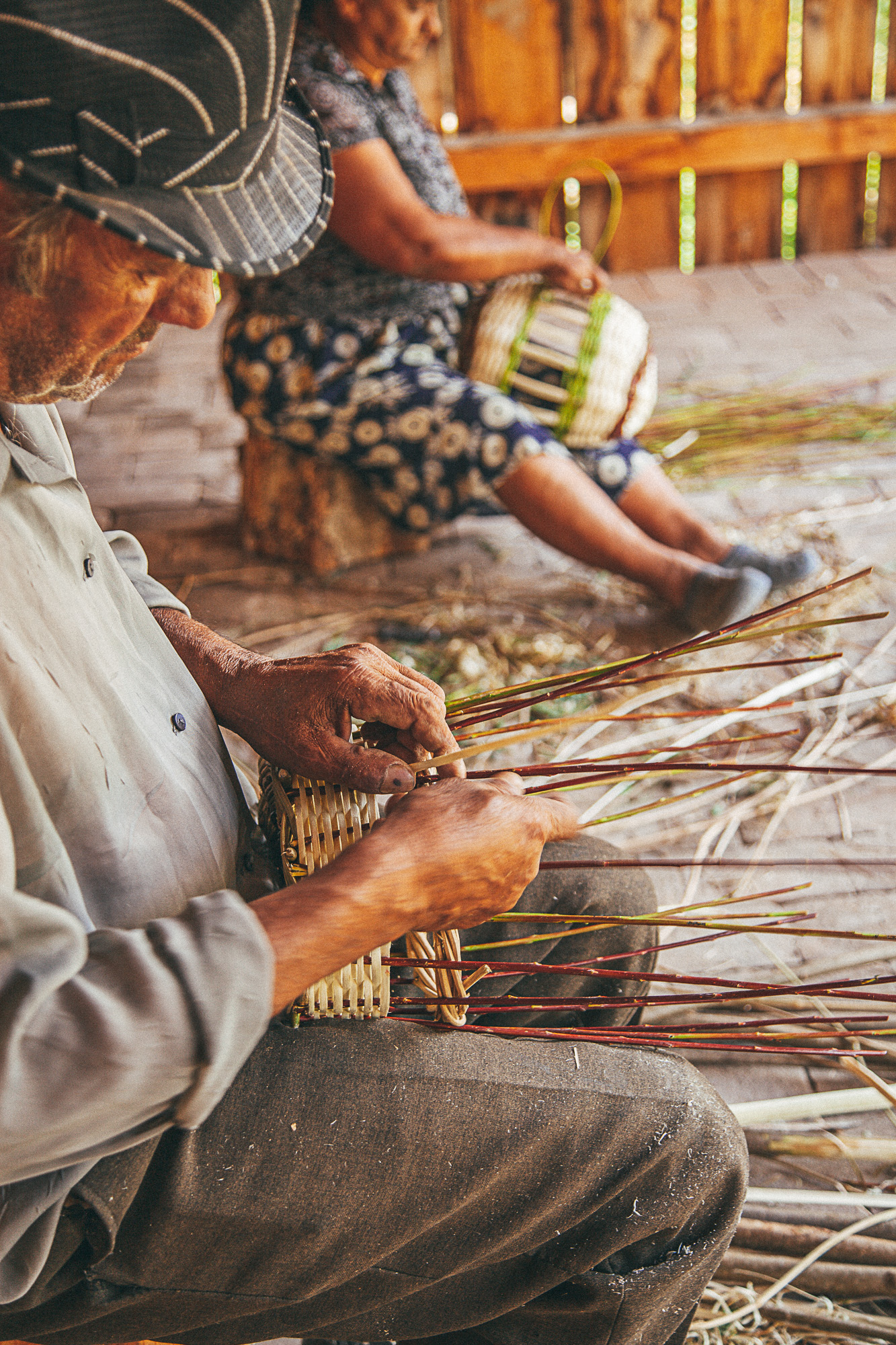
- - The revitalization of the traditional crafts (plasterer, carpenter, roof maker, tile maker, blacksmith)
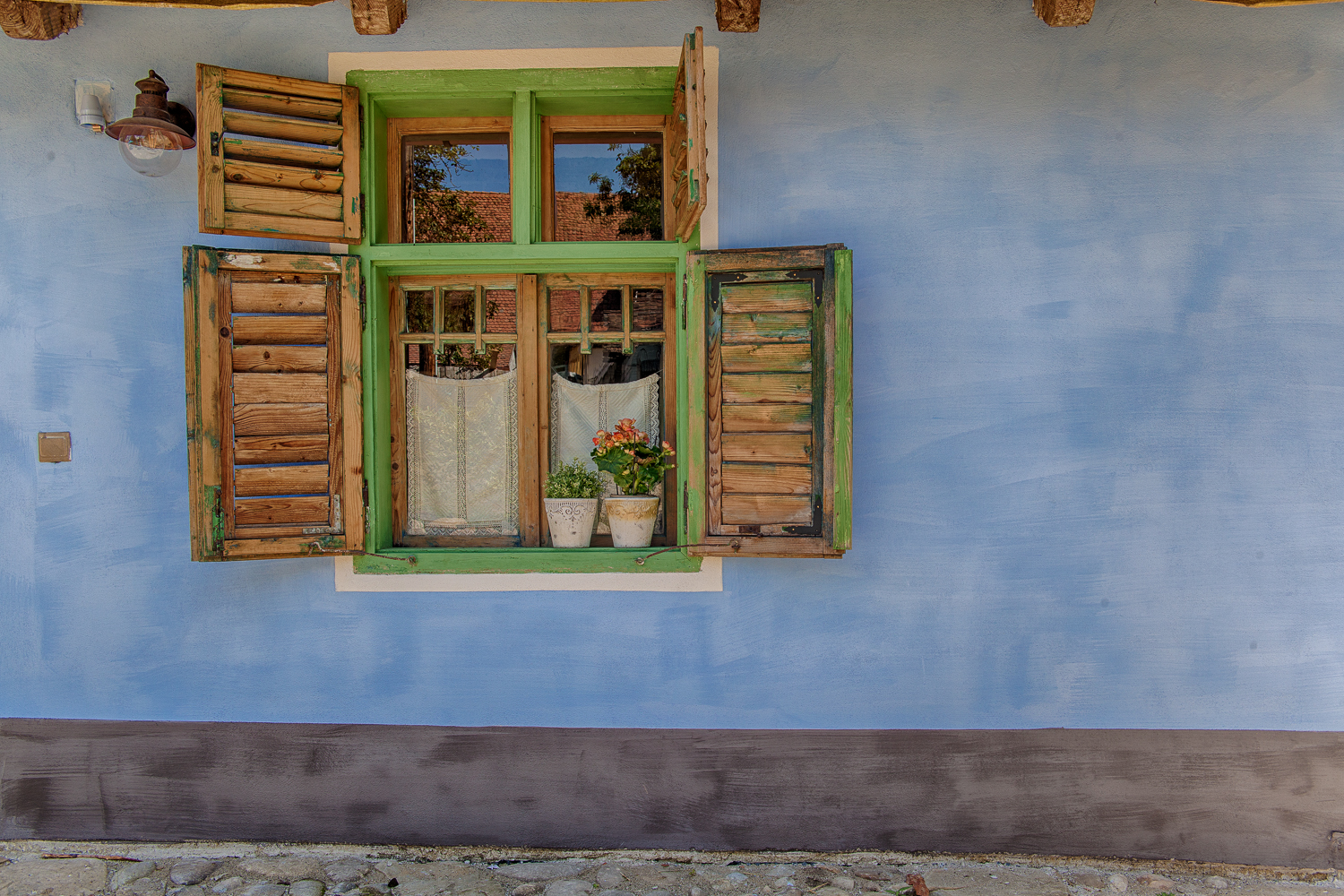
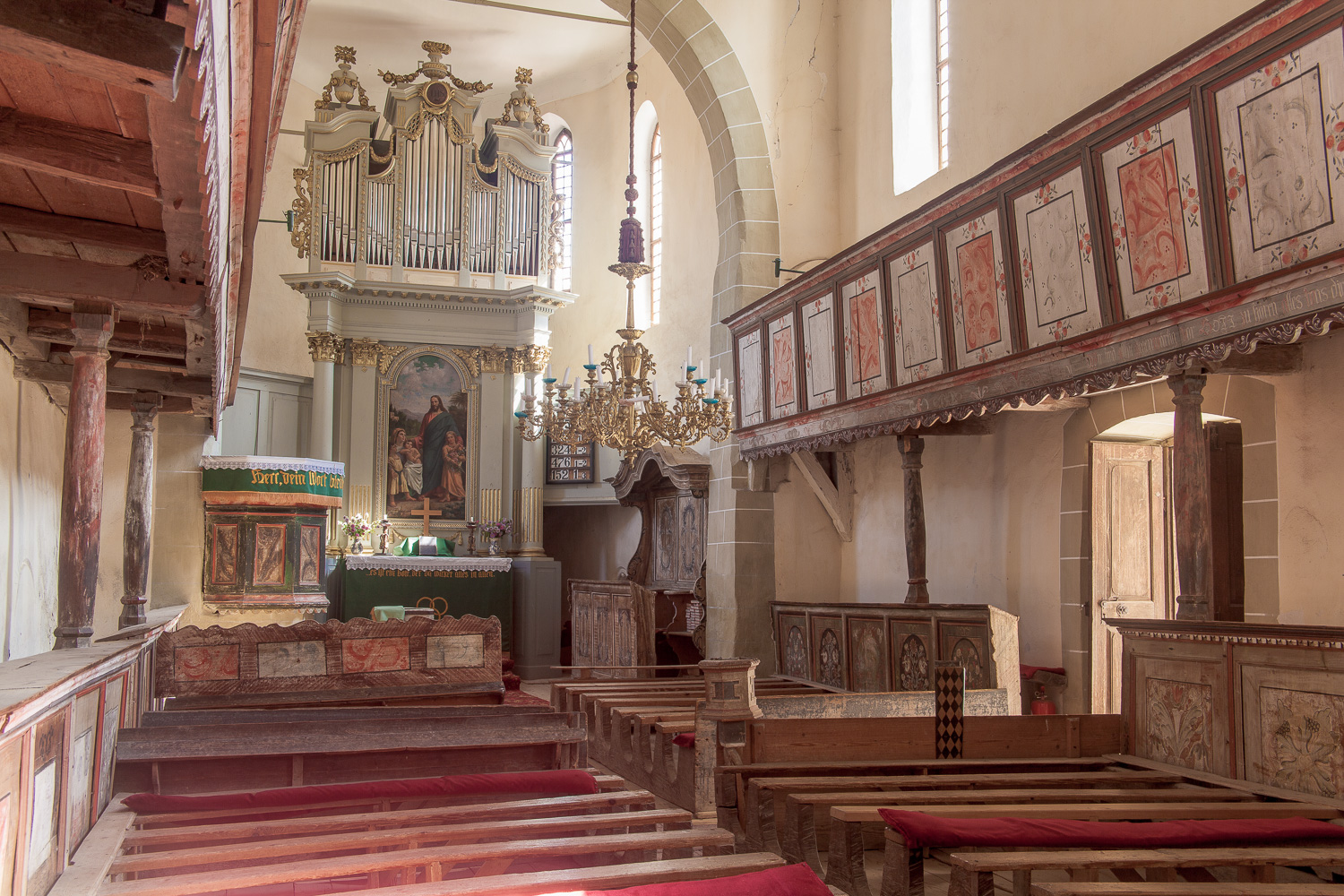
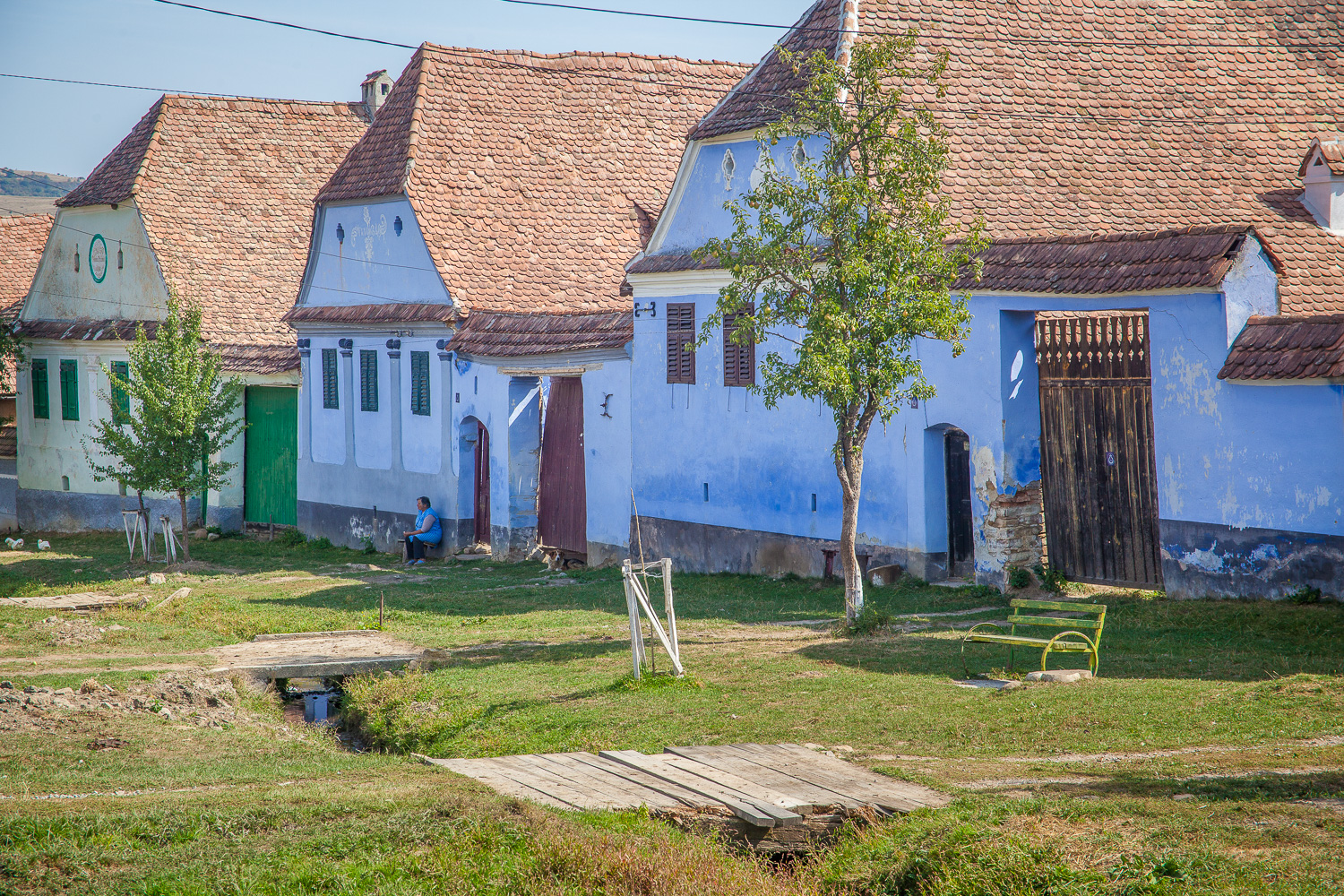
- - The restoration of the village houses and local monuments with local materials (clay, sand, stone, lime, wood)
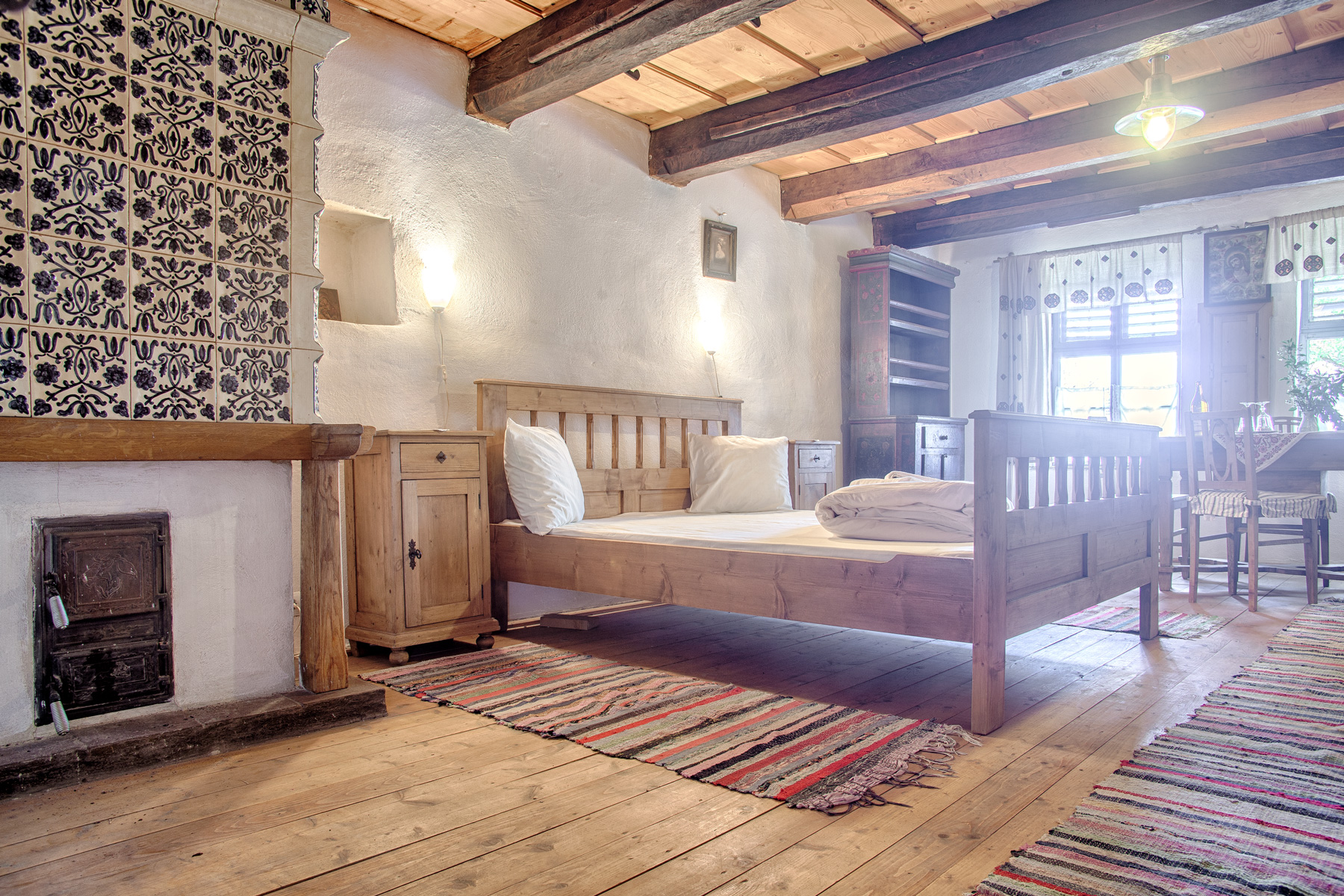
- - Turning traditional houses into bed-and-breakfasts
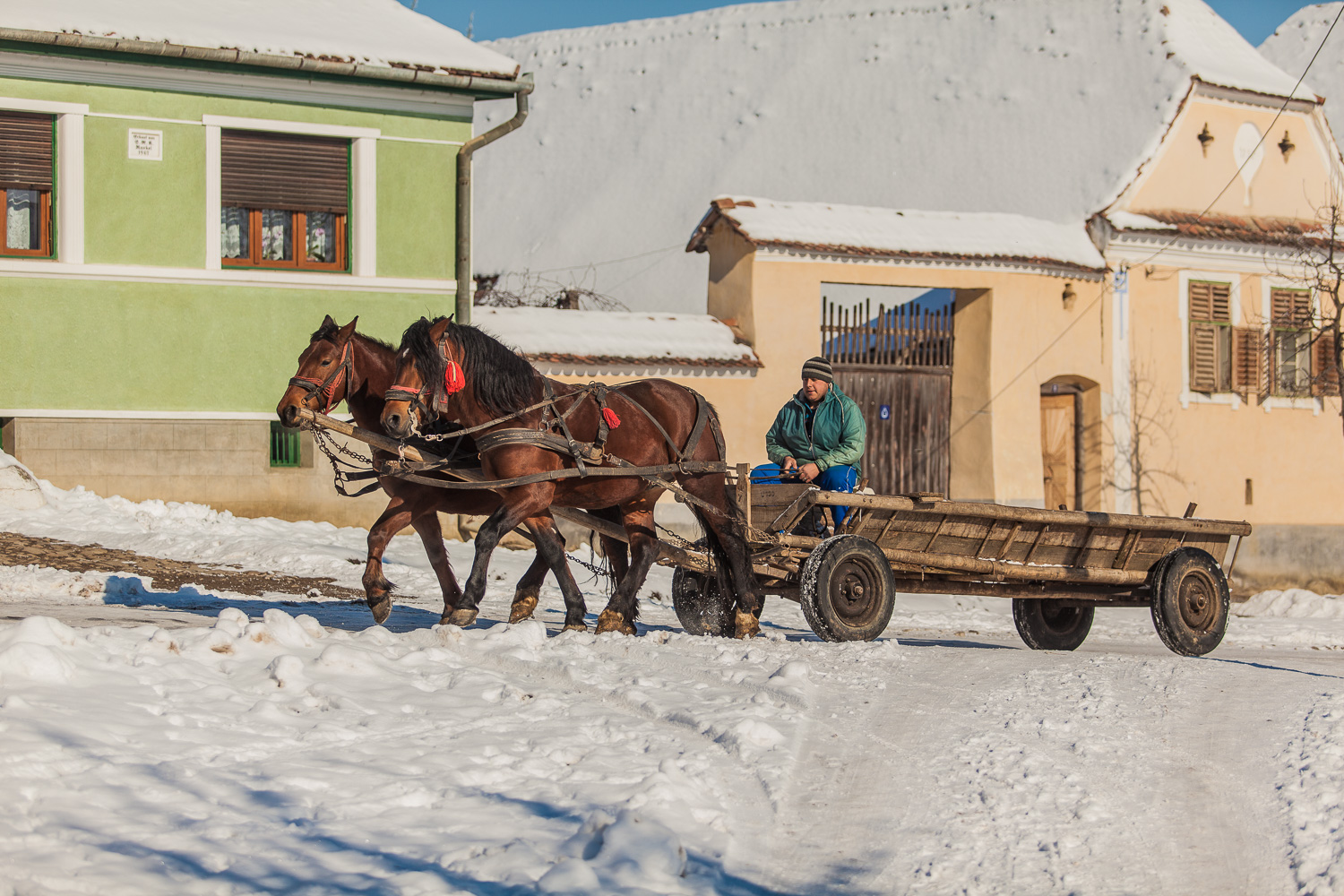
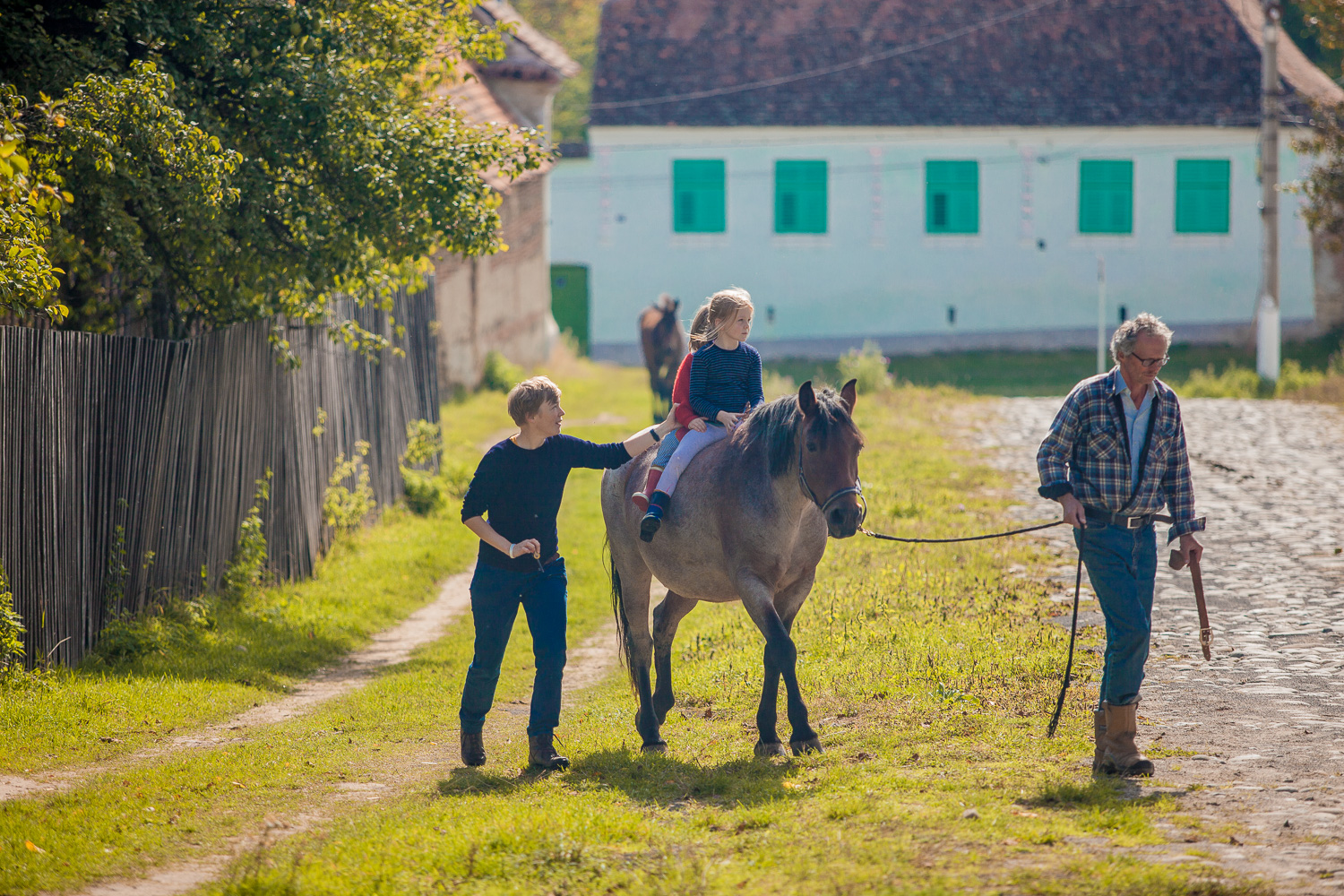
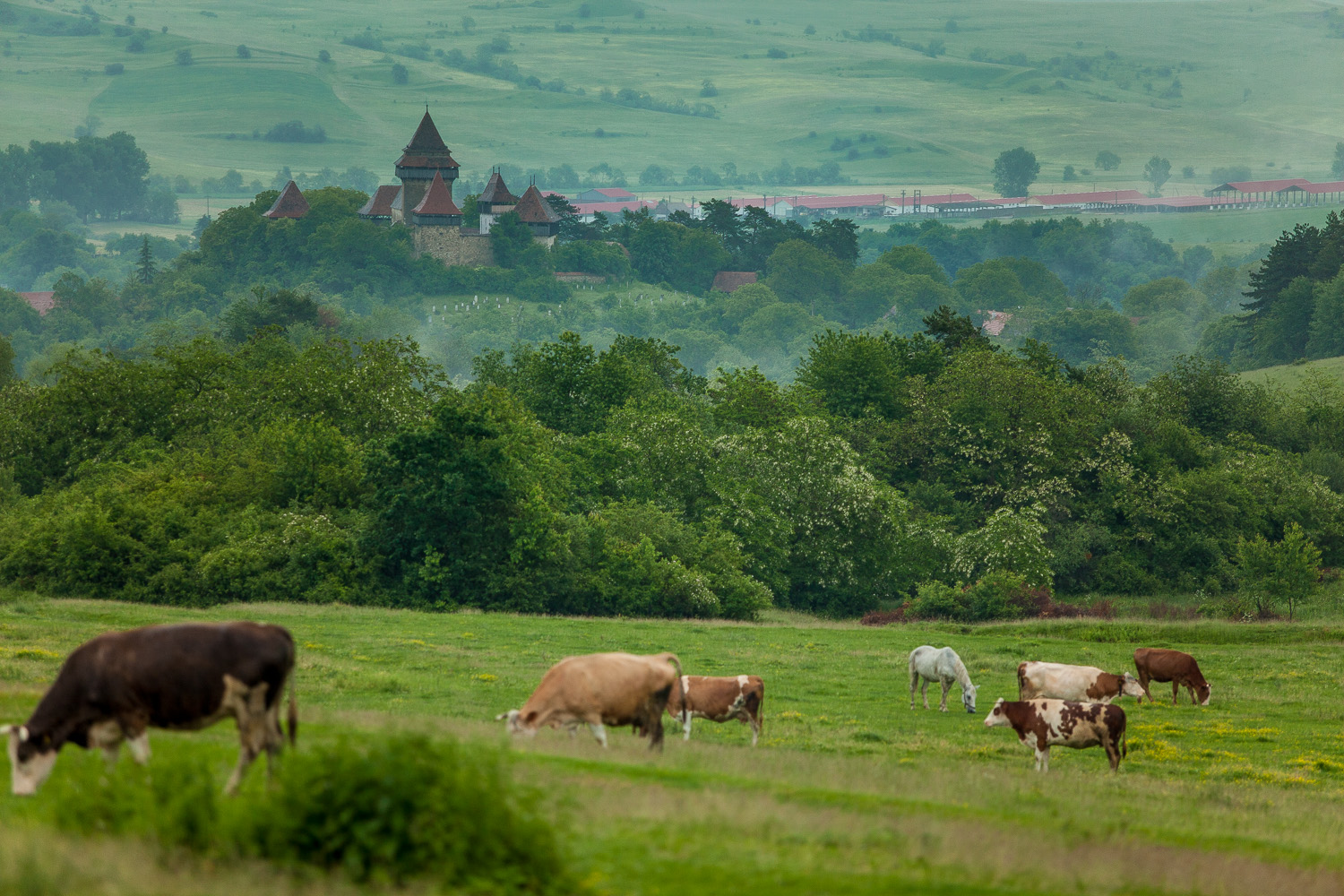
- - Developing horse and cart itineraries for tourists
- - Encouraging the use of home grown, organic vegetables and promoting the local gastronomy.
Between 1992 and 2016, Viscri has progressively become a place of interest for visitors, both at national and international level.
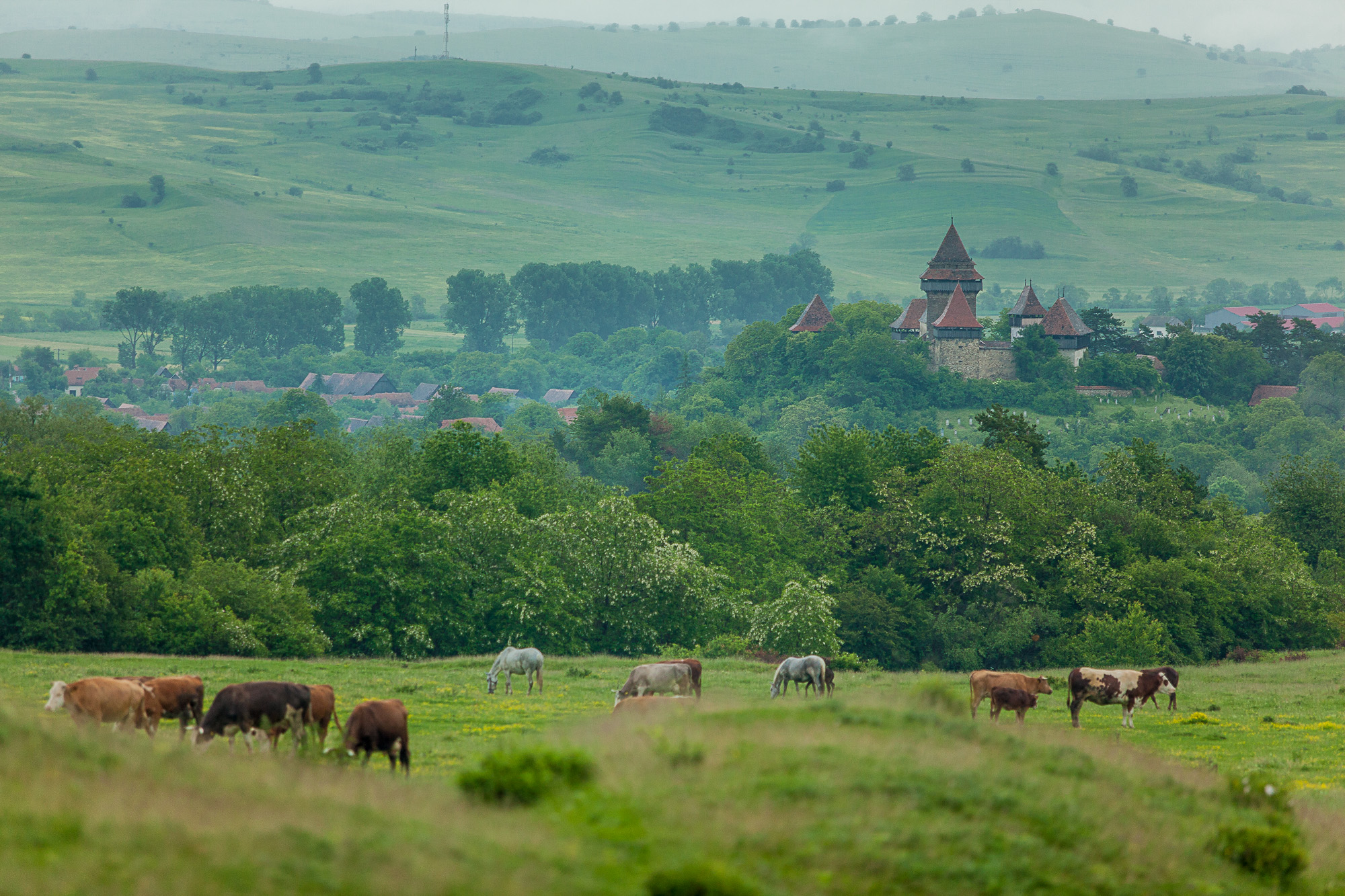

In 2000, the Mihai Eminescu Trust (MET) was created in Romania and had a substantial contribution in Viscri’s evolution. It organized training activities for villagers for the revitalization of different crafts, it restored numerous traditional houses, monuments, barns, bridges and it conducted numerous other community projects, done for the general well-being of the village and its inhabitants (such as a sewage system, ecological water treatment system etc.). All of these projects slowly but surely generated a new community spirit.
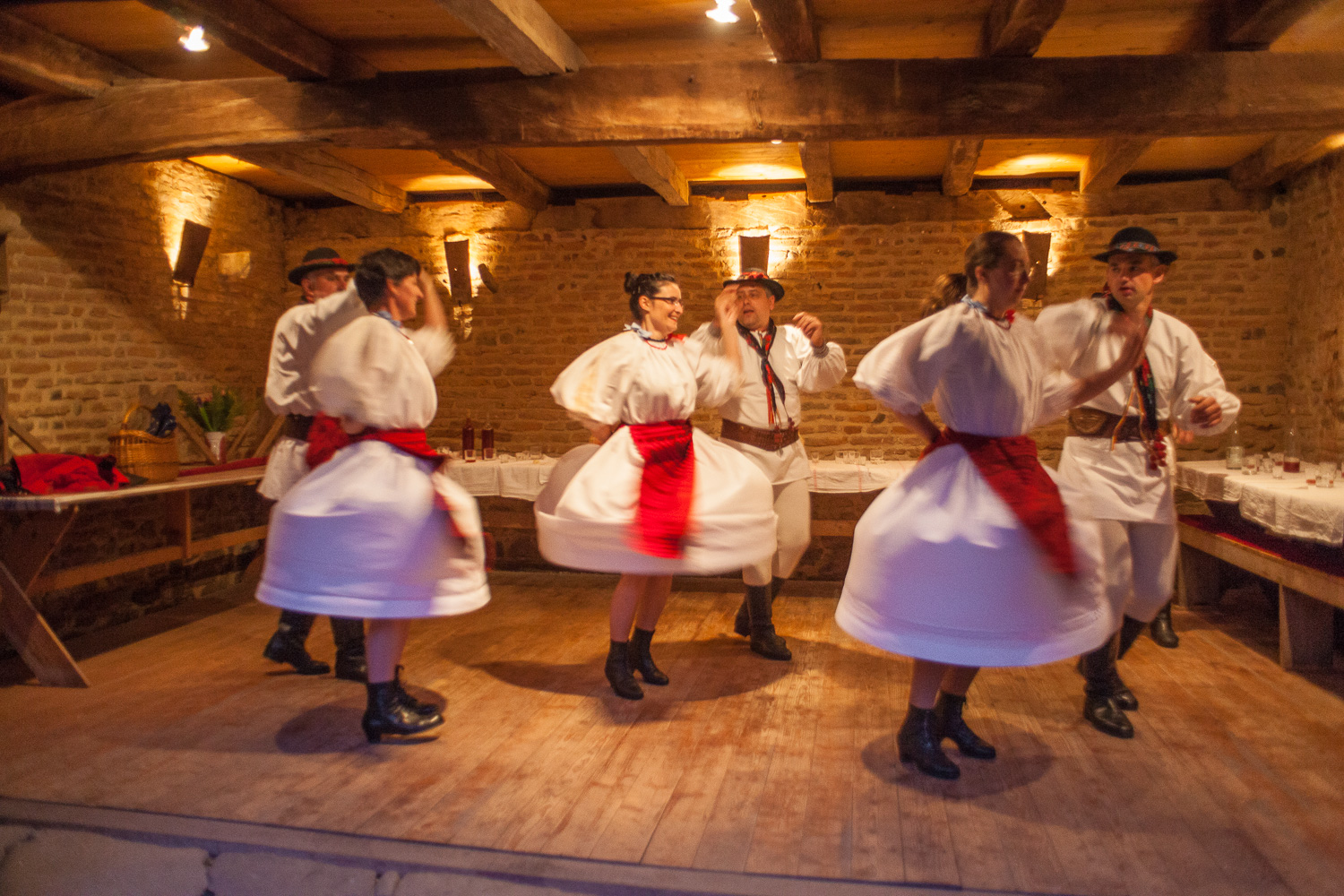
The characteristics of this new, pluri-ethnic community from Viscri, along with the Mihai Eminescu Trust’s progress and projects, as well as the established agricultural practices, have all contributed to the development of sustainable tourism activities and traditional local crafts into a prosperous economic environment. The power of the community in Viscri is represented by the interconnection between various interests and activities undertaken by the locals. However, this level of development generates a risk in keeping traditional activities unaffected. Therefore, the power of this pluricultural community and its well-being are somehow endangered by Viscri’s positive reputation, its success and its notoriety.
In 2014, the Council of Europe conducted a Faro Appreciation in Viscri and invited Viscri to become a member of the Faro Community Network as a result of the sustainable manner in which the local heritage and culture were found to be valued and used.
In July 2016, a second mission of the Council of Europe visited Viscri and four other villages from Transylvania which seek to achieve the level of recognition from the COE, similarly to Viscri. The COE recommended drafting a social contract/agreement for the village of Viscri that could in the future be adapted by the COE to other places in Europe.
In August 2016, the first version of the Social Contract/ Agreement for the village of Viscri was written.
In Viscri, the Social Contract/ Agreement is the result of an ongoing participatory process and includes concrete propositions from the community and common values, visions, and applications. The sustainable economic development that the local community from Viscri has seen over the past 30 years is based on a high level of solidarity and co-operation between the community members. This Social Contract/ Agreementhas allowed them to translate the values of the pluricultural community regarding the existent culturalheritage and the development of existing and new activities. It also helped them to elaborate a common framework of regulations, including the integration of the new village residents.
This so-called Social Contract/ Agreement has been created together with and for the community. People involved in the development of this document know that the result needs to be a proactive and interactive agreement, which stays open to revision. The Social Contract/ Agreement, represents a pact for the Viscri community, includes an administration committee – the so-called Village Council, which is an informal parliament, represented by 22 elected community members. They are representing all existent groups of interest in Viscri: women association (80 women), agricultural association (60 families), craftsmen (plasterer, blacksmith, woodworkers etc.) horse and cart owners (30 families), guesthouse owners, tourism services providers, firefighters, youngsters, retired persons, religious representatives, official elected community members (local council). During the meetings they discuss and agree upon stipulations and arrangements before any new measures are implemented and in which the different village groups are represented.
There are no recipes in community development that can be copied without any adjustments but understanding the responsibilities and roles of the stakeholders in the community, can be regarded as the first step. During the first 20 years after the fall of Communism, the responsibility of being a stakeholder in the community in Viscri was taken by a very small group of people. Over the last 10 years, during the evolution process of the community, many other stakeholders emerged in various fields. For many years and through the numerous and important community development projects that have been conducted in Viscri, alongside partner organizations with shared goals, it has been possible to integrate the members of the vulnerable groups and to improve the quality of life for most community members.
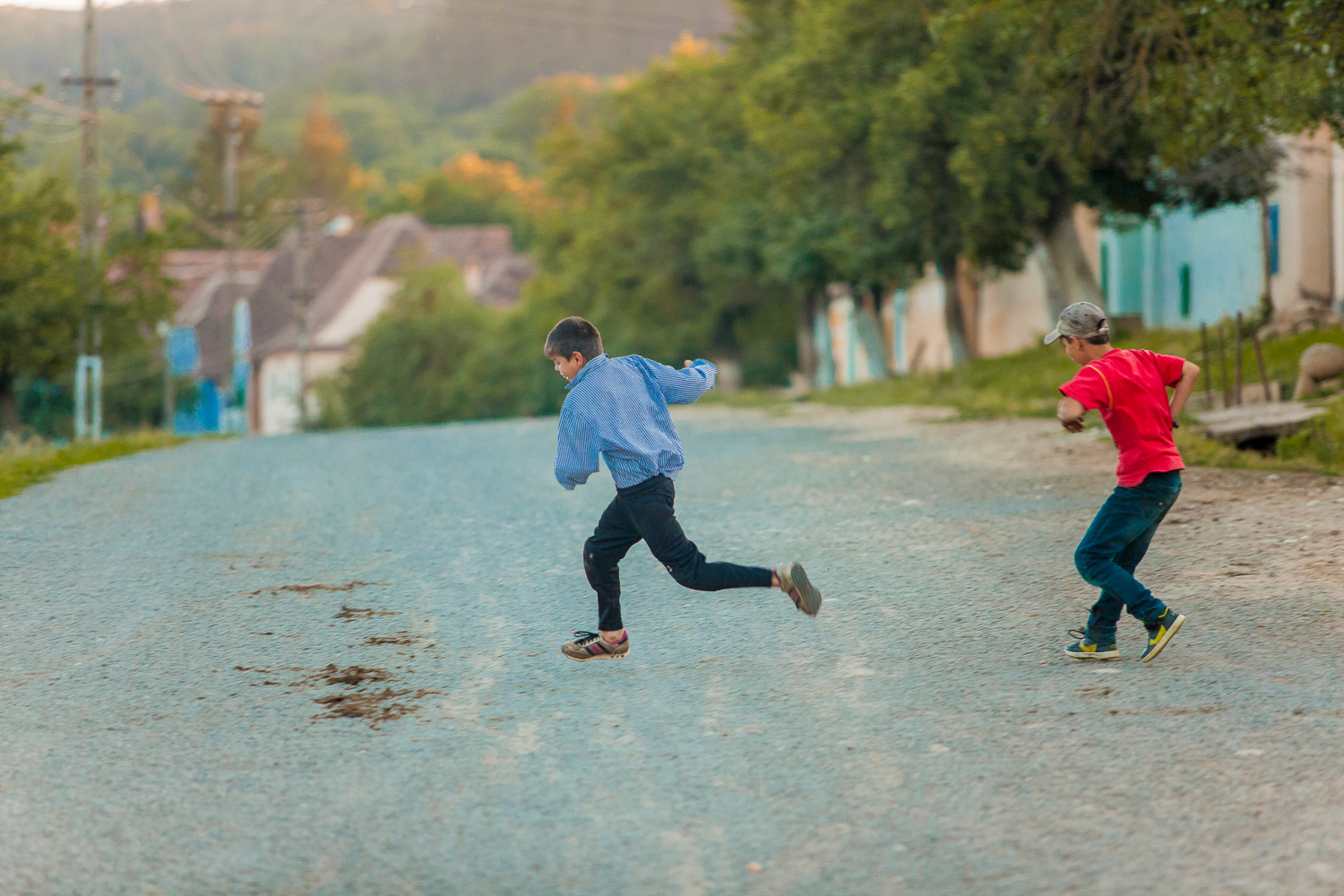
The Saxons who built and used to inhabit Viscri greatly appreciated and understood the importance of the community spirit. At that time, it was the spirit of the Saxon community that helped the villagers to have trust in one another and deal with every new challenge. Today, from this initial community spirit, in time, a new community emerged, where all the different groups in the village of Viscri are represented and can work together for the well-being of all their members, regardless of ethnicity or confession.